A backlog isn’t always a capacity problem. Sometimes the practice has enough people, but poor configuration, inconsistent processes or gaps in training may be creating unnecessary work. It is surprising how quickly a backlog can build; incoming correspondence is relentless, it doesn’t care if you have staff on holiday or absent, or staff covering other essential work, it just keeps on coming. And there are no many reasons why; volume of documents/spikes, content of or complex documents, variation in staff knowledge/confidence and no spare capacity. And the backlog itself slows things down, managing and prioritising the queue of letters, resulting in staff morale plummeting.
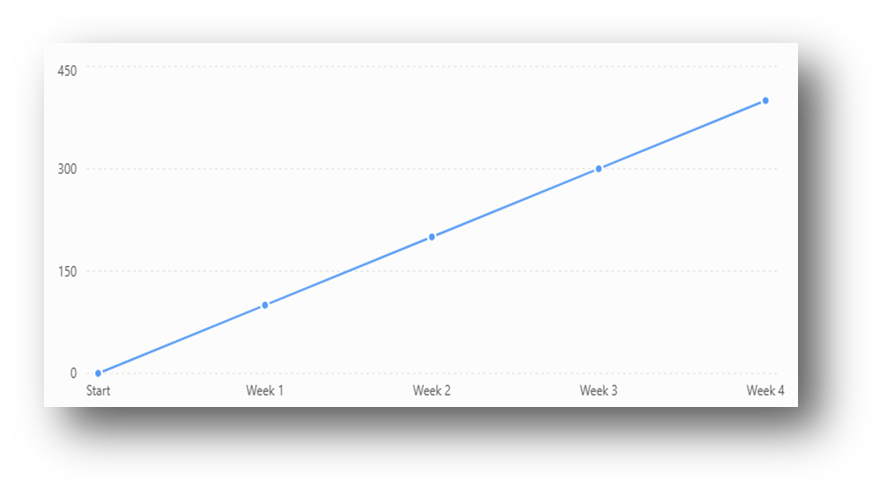
You receive an average of 120 documents each day, but because of normal everyday pressures the team manages to process 100 – 20 documents unprocessed. 20 documents per day quickly becomes 400 documents by the end of the month
Add in a member of staff off sick and one on holiday, suddenly 20 becomes 70 and your backlog is 800+, it just keeps quietly building.
Why is your document backlog growing? It might not be because you need more staff. Your coding team can only work as efficiently as the processes, training and clinical system around them allow. Has anyone stepped back and asked “Is there a better way of doing this?”
Insight’s half-day Document Workflow Training can include:
- Efficient document workflow processes and clinical coding, what to code/not to code
- Revisiting your out-of-date protocol to ensure consistently across the team, confidently processing & filing documents to prevent unnecessary escalation to clinicians
- Shortcuts and functionality available – templates, protocols & workflow rules
- Tidying up any out-of-date resources & templates
- Configuring your clinical system/scanning solution around how you actually work
Don’t just throw more people at a backlog.
Train your people – Review your processes – Optimise your system